
What To Do If Your Tenant Causes Damage To Your Rental Property
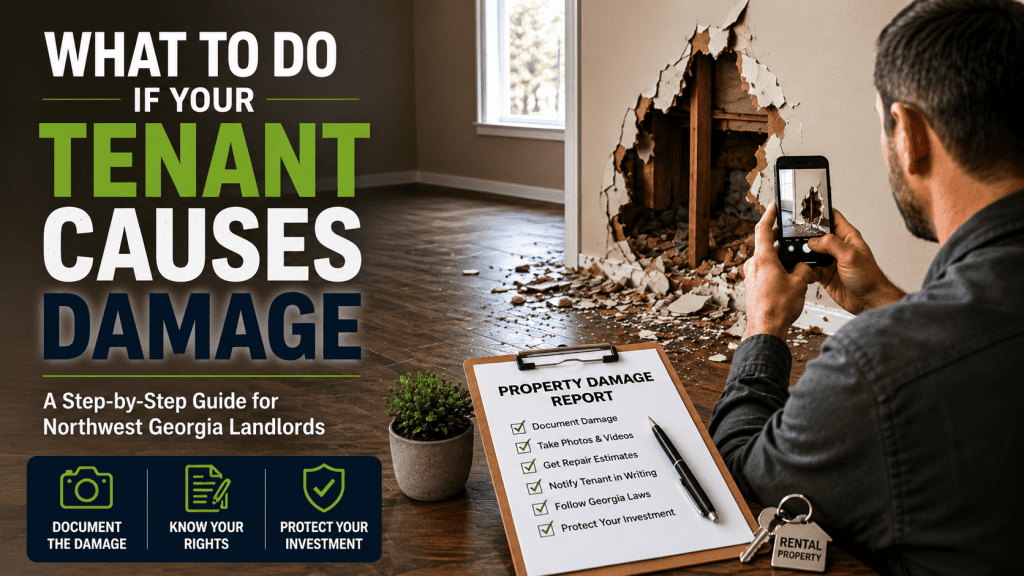
Being a landlord in Northwest Georgia comes with its fair share of ups and downs. One challenge almost every landlord faces at some point is dealing with tenant-caused damage. It can be frustrating, even upsetting, especially when you’ve done your best to find responsible tenants and take care of your property. But it’s part of the job, and with the right approach, you can handle it smoothly.
This guide walks you through what to do, step by step, so you can understand your responsibilities, protect your investment, and make informed decisions about what comes next.
Step One: Figure Out What Happened
Noticing damage to your rental can be stressful, but try to stay calm and really look at what happened. Sometimes accidents happen. Even the most responsible tenants can deal with things like a pipe bursting unexpectedly or a guest accidentally breaking a window. It’s important to understand when something is just an unfortunate accident and not the result of neglect.
If the damage seems to come from neglect or misuse, that changes how you’ll handle it. Getting to the bottom of what caused the damage helps you figure out the right next steps.
If the damage is more than normal wear and tear, your tenant is generally responsible for the cost of repairs. That’s why having a clear lease and collecting a security deposit upfront are so important. Make sure you keep thorough records, like photos and a detailed move-in checklist, so you have clear proof of your property’s condition before the tenancy began.
Most landlords deduct repair costs from the tenant’s security deposit. But if the damage is significant and the deposit doesn’t fully cover it, you might need to explore other options. That could mean having a straightforward conversation with your tenant, sending an invoice for the remaining amount, or consulting an attorney if things get tricky.
Throughout the process, keep things professional and well-documented. Clear records and respectful communication will help you avoid headaches and protect yourself if the situation escalates.
Step Two: Reflect on Your Role as a Landlord
If tenant damage seems to be happening more frequently or repair costs are piling up, it’s a good idea to take a step back and look at how you’re managing your property. Communication plays a huge role here. When tenants feel ignored or like their concerns don’t matter, small problems can quickly turn into bigger, more expensive ones.
Make it a priority to respond promptly to repair requests and keep an open, friendly line of communication. Building a positive relationship with your tenants can ease frustrations for everyone and even help prevent damage caused by neglect or frustration.
Tenant Damage Checklist: What To Do When Damage Happens
Document Everything Right Away
As soon as you notice damage, take clear photos and videos from several angles. If your device allows, use date stamps so there’s no question about when the damage was recorded. Then, compare these images with your original move-in inspection report. This careful comparison helps show what damage happened during your tenant’s stay, which is especially important if you need to back up your claim later.
Get Written Repair Estimates
Reach out to a few trusted contractors and ask for written quotes on the repairs needed. Keep all estimates, receipts, and invoices, even if you decide to do some repairs yourself. Having detailed paperwork makes it much easier to explain your costs to tenants or provide solid proof if disputes end up in court.
Notify Your Tenant in Writing
Once you know the repair costs, send your tenant a polite but clear letter or email outlining the damage and explaining how much of their security deposit will be used for repairs. Including photos in your communication can help make sure they fully understand the situation. Keeping this exchange professional and transparent can prevent misunderstandings or conflicts.
Follow Georgia’s Security Deposit Rules
Georgia law requires landlords to return any remaining security deposit funds within 30 days of the tenant vacating the property. Along with the refund, you must send an itemized list showing any deductions you made for repairs. If your tenant left without a forwarding address, send this notice to the last known address you have on file. Following these rules keeps everything above board and compliant with state law.
Consider Legal Steps If Needed
If the damage is significant or the tenant disputes your deductions, it may be necessary to consult a lawyer or take the issue to small claims court. Having thorough documentation and knowing your rights helps you feel confident if you must take legal action to recover costs.
Review and Update Your Lease Agreement Regularly
Take time every year or so to review your lease agreement and make sure it clearly spells out tenant responsibilities regarding property damage and repair requests. Clear lease language sets expectations upfront and reduces confusion later. Also, updating your lease ensures it stays current with Georgia laws and helps protect your investment.
Preventing Damage Before It Happens
1. Take the time to thoroughly screen potential tenants. Checking references and running background checks can help you find people who respect rental properties and are likely to care for your home responsibly.
2. Clearly explain your expectations at move-in. Let your tenants know exactly how to report issues or damage right away so that small problems don’t grow into bigger, more expensive ones.
3. Schedule routine inspections throughout the lease term. These visits let you catch any emerging issues early on and take action before repairs become costly or extensive.
4. Keep communication lines open with your tenants. When renters feel comfortable reaching out and know you are approachable, they are more likely to alert you to problems quickly, helping you keep the property in good condition over time.
Frequently Asked Questions
Final Thoughts
Tenant damage can be frustrating, but with clear steps and open communication, you can manage it without feeling overwhelmed.
If repairs are becoming too much or the property needs more work than you’re willing to take on, selling might be the better option.
At We Are Home Buyers, we buy properties as-is in Northwest Georgia. No repairs needed and no tenant-related issues to resolve. Whether your rental is in great shape or needs major work, we make fair cash offers and close on your timeline.
To get started, give our team a call at (706) 670-6886 or fill out the form on our contact page. We’d be happy to learn more about your situation and discuss your options.
Sometimes, the smartest repair is the one you never have to make.
