 Skip to content
How to Sell a Rental Property With Difficult Tenants
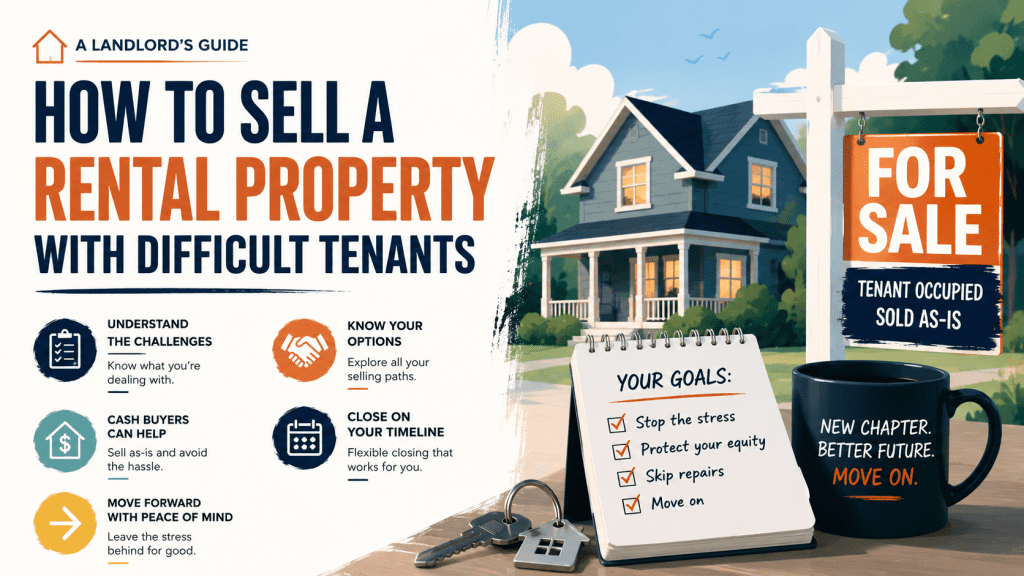
Dealing with problem tenants can quickly turn a rental property into a major source of stress. Whether you’re dealing with missed rent payments, property damage, or an eviction that seems to drag on, it can be hard to know what to do next.
For many landlords in Northwest Georgia, there comes a point where they simply want to move on. Between legal notices, repair costs, and ongoing uncertainty, the situation can start to feel like more trouble than the property’s worth. The good news is that you still have options. In many cases, selling the property as-is can help you move forward without spending months dealing with repairs, showings, or tenant disputes.
Why Problem Tenants Make It Harder to Sell a Rental Property
A difficult tenant affects more than just your monthly cash flow. They can damage the property, create legal headaches, and make it harder to sell through the traditional market.
Some of the most common issues include:
1. Late or missing rent payments
2. Unauthorized occupants or subletting
3. Property damage beyond normal wear and tear
4. Ongoing disputes that lead to eviction
When a tenant refuses to leave, landlords often have to go through the formal eviction process, which can take weeks or even months depending on local laws. That delay alone can make it difficult to list the property in the usual way.
Traditional buyers also tend to hesitate when there’s a tenant issue involved. They usually want a clean, vacant property, not a situation that still needs legal or rental resolution.
How to Tell if the Tenant Problem is Temporary
Not every tenant problem means the relationship is beyond repair. Sometimes a missed payment is tied to a short-term issue like a medical bill, job loss, or unexpected expense. Other times, the problem keeps getting worse.
A few signs can help you tell the difference. If the tenant has a good payment history, keeps you updated, and seems willing to work out a solution, the issue may be temporary. If they stop communicating or keep missing payments, the situation may be ongoing.
That distinction matters because it can help you decide whether to work toward a short-term fix or move on to a larger solution, like selling the property.
What to Gather Before Selling a Rental Property
If you’re thinking about selling a rental property with problem tenants, the first step is to get your paperwork organized.
Having the right documents ready can make the process much smoother:
1. The lease agreement
2. A rent payment ledger
3. Photos of any damage
4. Communication records with the tenant
5. Mortgage statements
6. Property tax records
This information helps buyers understand the situation and gives them a clearer picture of the property’s condition and rental history. It also helps you stay organized if you’re still working through eviction or tenant-related issues.
It can also be helpful to know what the tenant owes, what repairs are needed, and whether the property is still generating any income. That gives you a more realistic picture of your numbers before you decide how to move forward.
How to Sell a Rental Property As-Is
One of the biggest advantages of selling to a cash buyer is that you usually don’t have to make repairs, clean the property, or get the tenant out first.
Cash buyers and real estate investors often purchase rental properties in less-than-perfect condition. They factor in repair costs, tenant issues, and holding expenses when making an offer, which means they’re often willing to buy the property as-is.
That can be especially helpful if:
1. The tenant is uncooperative
2. The property needs repairs you don’t want to handle
3. You’re losing money every month
4. You want to avoid waiting on a traditional sale
A cash sale can also move much faster than a standard listing. Depending on the situation, closing may happen in a matter of weeks instead of months.
Cash Sale vs. Traditional Listing for a Rental Property
At first glance, listing a rental property on the open market might seem like the obvious move. But when the property has tenant problems, that approach often creates more work than it solves.
A traditional listing usually means:
1. Paying agent commissions
2. Making repairs before listing
3. Coordinating showings with the tenant
4. Dealing with buyer concerns about occupancy
By comparison, a cash sale usually removes many of those hurdles. You don’t have to stage the property, wait for bank financing, or manage constant back-and-forth with buyers.
Even if the offer is a little lower than a retail listing price, many landlords find that the lower stress and faster timeline make up for the difference. Once you factor in holding costs, repairs, and delayed rent, the final numbers may be closer than they first seem.
| Expense Category | Traditional MLS Estimate |
| 6% Real Estate Agent Commissions | $18,000 |
| Required Pre-Sale Repair Costs | $20,000 |
| 3 Months of Holding Costs & Lost Rent | $9,000 |
| Traditional Net Proceeds | Significantly Reduced Balance |
What Happens to Unpaid Rent and Security Deposits
Unpaid rent and property damage are also important to address. Depending on the situation, those amounts may need to be handled before or during the sale.
In some cases, the security deposit can be applied to unpaid rent or repairs, depending on local law and the lease terms. If the property sells with the tenant still in place, the buyer will also want to know how the deposit is being handled.
That’s why it helps to keep clear records. A clear paper trail makes it easier to sort out what is owed, what is covered, and what still needs to be resolved after closing.
Legal Issues to Know Before Selling an Occupied Rental
Even if a tenant is causing problems, they still have legal rights. That means you need to follow the proper notice and eviction process before you can remove them or take back full control of the property.
If you’re planning to sell, it’s a good idea to work with a real estate attorney or another qualified professional who understands landlord-tenant law. You’ll also want your sales paperwork to clearly spell out:
1. The occupancy status
2. How the security deposit will be handled
3. How rent will be prorated at closing
If the property sells with the tenant still in place, the new owner will usually take over from there and decide how to handle the lease or occupancy issue based on local law.
Questions to Ask a Cash Buyer
If you’re considering a cash sale, it helps to ask a few simple questions before accepting an offer.
Find out:
1. Whether they buy occupied rental properties
2. Whether they’ll take over the tenant situation after closing
3. Whether there are any hidden fees
4. How quickly they can close
5. Who handles the tenant transition
These questions can help you compare buyers and avoid surprises later. A good cash buyer should be able to explain the process clearly and give you a straightforward offer based on the property’s condition and current situation.
Common Mistakes Landlords Make When Selling
One of the biggest mistakes landlords make is waiting too long to explore their options. If you keep pouring time and money into a property that’s becoming harder to manage, the problem can get worse.
Another common mistake is hiding tenant issues from buyers. That can lead to legal trouble later and may damage the sale. It’s always better to be upfront about the situation.
Some landlords also accept the first offer they get without comparing it to other options. If you have time, it’s smart to get a few quotes so you can compare your choices and understand what the property is actually worth in its current condition.
Other Ways to Move Forward With a Problem Rental
A cash sale isn’t the only option, but it’s often the most practical choice when tenant problems become overwhelming.
Depending on your situation, you might also consider:
1. Finishing the eviction process before selling
2. Negotiating a tenant buyout or cash-for-keys agreement
3. Talking to an attorney about your legal responsibilities
4. Exploring other investment strategies if you want to keep the property
That said, if the property is costing you time, money, and stress, selling as-is may be the simplest way to move on.
Frequently Asked Questions
Final Thoughts
Selling a rental property with problem tenants is not always easy, but you do have options. For many landlords in Northwest Georgia, the best move is to choose the path that reduces stress, protects their time, and helps them move forward faster.
If you’re ready to move past tenant issues and get a fast cash offer for your rental property, We Are Home Buyers can help. Call us at (706) 670-6886 or fill out a form on our contact page to talk through your situation.
