 Skip to content
What to Do When a Tenant Stops Paying Rent: A Landlord’s Guide
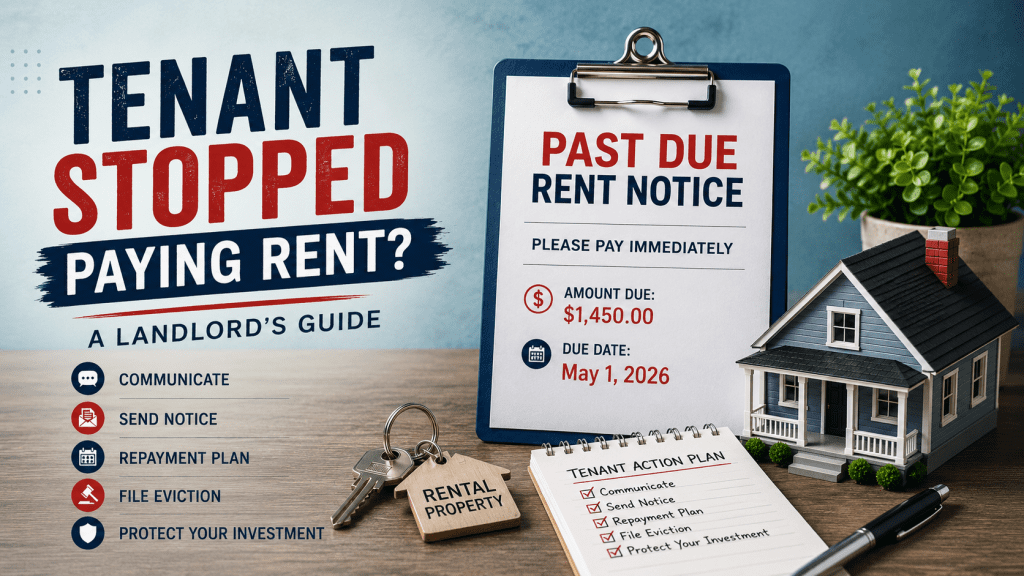
Discovering that a tenant has stopped paying rent can be incredibly stressful, especially when you depend on that income to cover the mortgage, repairs, and other property expenses.
Some missed payments are temporary, while others turn into bigger problems that require formal action. The good news is that landlords do have options. This guide walks through what to do when rent stops coming in, how to protect your investment, and when it may make more sense to sell the property instead.
Why a Tenant Stops Paying Rent
Before taking action, it helps to understand what’s actually happening. In many cases, a tenant stops paying rent for one of two reasons.
The first is a genuine hardship. Job loss, medical bills, or an unexpected expense can quickly throw someone off track. If you’ve got a tenant who usually pays on time and suddenly runs into trouble, a little flexibility may help preserve the relationship and avoid a longer issue.
The second is a dispute. Sometimes tenants withhold rent because they’re upset about a maintenance issue or believe it’ll pressure the landlord to respond faster. That can create a messy situation, even if the tenant thinks they’re justified.
Once you understand the reason, it becomes easier to decide whether to offer a short-term solution or move into the formal process.
Step 1: Check the Lease for Non-Payment Terms
Your first step should be to pull out the lease and read it carefully. This is where you’ll find the rules that control late payments, notice requirements, and any late fees.
Pay close attention to:
1. How long the grace period lasts
2. When late fees begin
3. The amount of the late fees
4. What notice is required before eviction
A lot of landlord-tenant problems come down to unclear lease language. If the lease doesn’t spell out what happens after a missed payment, make a note to tighten that up for future tenants.
It also helps to start building your paper trail right away. Save emails, texts, payment records, and any other communication that documents the timeline.
Step 2: Contact the Tenant About Missed Rent
If the grace period passes and the rent still hasn’t been paid, reach out quickly. A calm, professional message is usually the best first move.
You don’t need to be harsh. A simple check-in can go a long way:
“Hi [Tenant Name], I noticed that this month’s rent hasn’t come through yet. Is everything okay? Please let me know what’s going on so we can figure it out.”
That kind of message keeps things respectful and leaves room for a solution. In some cases, the tenant may just need a few extra days or a partial payment plan.
If they respond, get any new arrangement in writing. If they stop responding or keep missing payments, it’s time to move forward.
Step 3: Serve a Pay or Quit Notice
Once the friendly communication stage is over, the next step is usually to serve a formal notice. In many cases, this is a Notice to Pay Rent or Quit.
This notice tells the tenant they must either pay the full amount within a set period or move out. The required time frame depends on local law, so it’s important to follow the rules that apply in your area.
Make sure the notice is clear and specific. Include:
1. The exact amount owed
2. The date it was due
3. The deadline for payment
4. Any lease terms that support the notice
It’s also smart to keep proof that the notice was delivered. Certified mail, posted notice, and photos for your records can all be helpful later.
One thing to watch out for is accepting partial rent after serving notice. In some places, that can reset the process and force you to start over. If you do accept a partial payment, make sure it’s part of a signed agreement.
Step 4: Offer a Rent Repayment Plan
Before moving straight into eviction, it may be worth considering a repayment plan. This can make sense if the tenant is dealing with a temporary setback and seems likely to catch up.
A repayment plan can give the tenant a chance to pay the balance over time instead of all at once. That might help avoid a vacancy, save on court costs, and preserve a good tenant relationship if the issue really is short-term.
If you go this route, put everything in writing. A signed addendum should clearly state:
1. How much is owed
2. When each payment is due
3. What happens if a payment is missed
This only works if the agreement is specific and enforceable. Otherwise, it can create more confusion later.
Step 5: Start the Eviction Process for Non-Payment
If the notices are ignored and the rent still isn’t paid, the next step is usually eviction.
The exact process depends on your local laws, but it typically includes filing the case, serving the tenant, attending a hearing, and obtaining a judgment. In many areas, a sheriff or other law enforcement officer handles the final removal if the court rules in your favor.
This is where landlords need to be especially careful. Don’t try to force the tenant out on your own by changing the locks, shutting off utilities, or removing their belongings. Those actions can create serious legal problems and may even hurt your case.
The legal process may take time, but following it properly is usually the safest way to protect yourself.
How to Collect Unpaid Rent After Eviction
An eviction doesn’t automatically erase what the tenant owes. If there’s still a balance after they leave, you may be able to pursue that debt separately.
Depending on the amount, you might take the tenant to small claims court, send a demand letter, or work with a collection agency. A demand letter is often a good first step because it gives the tenant one final chance to pay before you take further action.
If you go to court, bring solid records. Payment history, the lease, notices, and communication logs can all support your claim. If you use a collection agency, they may keep a percentage of what they recover, but they also handle the follow-up and reporting process for you.
How to Prevent Future Rent Payment Problems
The best way to handle a non-paying tenant is to prevent the problem before it starts.
A few smart safeguards can make a big difference:
1. Screen tenants carefully
2. Verify income and employment
3. Check rental history and eviction records
4. Collect a proper security deposit
5. Use online rent payments or auto-pay when possible
6. Keep enough cash reserves to handle a few months of vacancy or missed payments
Good screening is one of the most effective ways to avoid problems later. A tenant who’s financially stable and has a solid rental history is far less likely to create long-term issues.
When to Sell a Rental Property With Problem Tenants
Sometimes, repeated late payments or a long eviction process can make a rental property more trouble than it’s worth. If the stress, cost, and lost income are adding up, selling may be the better option.
This can be especially true if the property needs repairs, the tenant is still inside, or you’re simply tired of dealing with the uncertainty. Traditional buyers often hesitate in situations like that, but cash buyers and real estate investors may be more willing to take on the property as-is.
Selling this way can give you a faster exit and help you move on without waiting on repairs, showings, or an extended vacancy. For some landlords, that’s the cleanest way to stop the financial drain and put the property behind them.
Frequently Asked Questions
Final Thoughts
When a tenant stops paying rent, it can throw off your finances quickly. The most important thing is to stay calm, follow the lease, document everything, and move through each step in the right order.
In some cases, working through the eviction process is the best path. In others, selling the property may save time, reduce stress, and help you get back on track faster.
If you’re ready to move on from a difficult rental situation, We Are Home Buyers can help you explore a fast cash sale and see whether that makes sense for your property. If you’d like to talk through your options, call us at (706) 670-6886, and we’d be happy to answer any questions you have.
