 Skip to content
What is Pre-Foreclosure in Northwest Georgia?
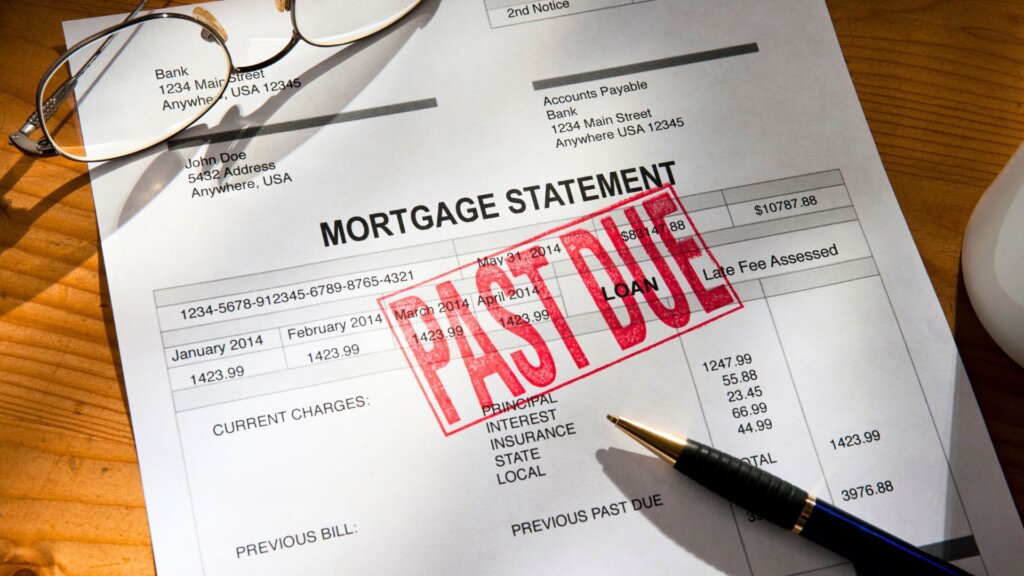
If you’re a homeowner in Northwest Georgia who has fallen behind on your mortgage payments, it can feel like everything is moving faster than you expected. The letters start showing up. The phone rings more often. Before long, you start wondering what you can actually do to stop it.
For many homeowners, this is the point where the stress becomes constant. Sleep gets lighter. Every unknown number suddenly feels important. We’ve even had people tell us they hesitate to check the mailbox.
Understanding what pre-foreclosure means won’t solve everything overnight. It won’t erase the past-due balance. But having clarity about what’s happening can make the next step feel less overwhelming.
Understanding Pre-Foreclosure
After three to six months of missed mortgage payments, a home typically enters pre-foreclosure. At that point, the lender issues a Notice of Default. It’s a formal warning that your loan is seriously past due. In simple terms, the lender is preparing to move ahead with the foreclosure process if the delinquent payments aren’t resolved.
That notice can feel overwhelming. For some homeowners, it’s the moment everything shifts from stressful to urgent. At the same time, it’s also the stage where you still have leverage, even if it doesn’t feel that way at first.
During pre-foreclosure, ownership doesn’t transfer. The bank hasn’t taken the home. You still have the ability to decide how to respond. Even if the timeline feels shorter than you’d like, the decisions you make now can protect your finances and your future.
Sometimes that realization alone changes the tone of the situation. It becomes less about panic and more about planning.
Common Causes of Pre-Foreclosure
Homeowners rarely fall behind because they’re careless. More often, something shifts financially.
A job changes. Hours get reduced. A medical emergency drains savings faster than expected. Divorce or separation reshapes household finances almost overnight.
And sometimes it isn’t one dramatic event at all. It’s gradual. Smaller financial pressures build month after month until the mortgage becomes harder to manage. No single moment caused it. It developed over time.
There’s usually more to the story than late payments alone. Understanding what brought you to this point can make it easier to see which solutions might genuinely improve your situation.
Options for Homeowners in Pre-Foreclosure
Being behind on payments doesn’t mean you’re out of choices. In fact, the earlier you act, the more flexibility you typically have.
If there’s equity in the home, refinancing may lower your monthly payment and provide some relief. Some lenders also offer hardship programs for temporary financial setbacks. They’re not permanent fixes, but they can ease the pressure for a while and give you time to regain stability.
For some homeowners, selling becomes the clearest way to stop the cycle. A quick sale can cover the overdue balance and prevent the foreclosure process from advancing further. It doesn’t undo what happened, but it does create a clear stopping point. For people who feel stuck in limbo, that clarity can matter more than anything else.
A short sale is another possibility, depending on the lender’s approval. It means selling for less than what’s owed, which can affect your credit. Still, many homeowners find it less damaging than allowing the property to go through a completed foreclosure. In certain cases, lenders agree to forgive the remaining balance, making it easier to move forward without unresolved debt.
Some homeowners also consider bankruptcy. It can temporarily pause foreclosure and create time to regroup. Still, it’s a serious financial and legal decision. The long-term consequences deserve careful thought before moving in that direction. In the right circumstances though, it can provide the space needed to sort through your options with professional support.
None of these choices are simple. But having options shifts the dynamic. It replaces uncertainty with direction.
Communicating with Your Lender
Staying in contact with your lender is one of the most important steps during pre-foreclosure.
Avoiding calls is common. That reaction is understandable. Still, lenders are often more willing to cooperate when homeowners reach out early and explain what’s happening.
Repayment plans, temporary forbearance, and loan modifications may be available. Organizing your financial information ahead of time and being realistic about what you can afford can make those conversations more productive. The plan doesn’t have to be perfect. It just needs to be honest.
When lenders see genuine effort, discussions tend to move in a more constructive direction.
That conversation might not feel comfortable. Even so, it can open the door to workable solutions.
How Pre-Foreclosure Impacts Credit
If pre-foreclosure leads to foreclosure, your credit score will likely drop significantly.
A completed foreclosure can lower a credit score by 100 to 160 points. The size of the decrease depends on where your score started. A drop of that magnitude can affect loan approvals, rental applications, and interest rates for years.
Acting sooner rather than later usually makes a meaningful difference. Refinancing, short sales, or selling before foreclosure may reduce long-term damage and create a stronger foundation for rebuilding.
Steps to Take if You Are in Pre-Foreclosure
If you’ve received a Notice of Default or know you’re several payments behind, start by reviewing your mortgage statements so you understand exactly what’s owed and how far behind you are. Once you have a clear picture, reach out to your lender to ask about hardship or repayment options.
From there, take time to evaluate your choices at your own pace. Refinancing, selling, negotiating a short sale, or consulting a bankruptcy attorney are all paths worth exploring.
Taking action doesn’t mean you have to decide everything today. It simply means you’re choosing not to ignore what’s happening.
Frequently Asked Questions About Pre-Foreclosure in Northwest Georgia
In most cases, pre-foreclosure lasts somewhere between three and six months, though it can vary depending on the lender and the type of loan. During that time, you still legally own the home. Nothing transfers automatically. That window is often when homeowners explore repayment plans, refinancing, or selling before the process moves further.
Yes, you can. As long as the foreclosure auction hasn’t taken place, the home can still be sold. Some homeowners choose to work with a cash buyer because it can move more quickly and remove some of the uncertainty. The goal is usually to satisfy the overdue balance before the lender advances the process.
Pre-foreclosure itself doesn’t automatically destroy your credit. The larger impact usually comes if the situation progresses into a completed foreclosure. In many cases, that can mean a drop of 100 to 160 points, depending on where your score started. The earlier you take action, the more influence you may have over the long-term impact.
Not necessarily. Listing with an agent is one option, but it isn’t the only one. Some homeowners prefer to sell directly to a buyer who can purchase the property as-is, especially if time is a factor. It often comes down to how quickly you need to move and the current condition of the home.
How We Are Home Buyers Can Help
If your home is in pre-foreclosure in Northwest Georgia, you’re not out of time yet. It may feel that way, but there’s often more flexibility than people expect.
At We Are Home Buyers, we talk with homeowners who want a clear understanding of what’s available to them. Some choose to sell before the auction. Others simply want to understand how a direct sale would work and what the numbers might look like.
You can share a few details about the property and we’ll put together a straightforward cash offer based on its current condition. From there, we’ll walk you through how the process works and what to expect at each step. Then you can decide what feels right for your situation.
Call (706) 670-6886 or reach out through our contact form to start the conversation. Sometimes talking through the process with someone who understands it can make everything feel less overwhelming.
