 Skip to content

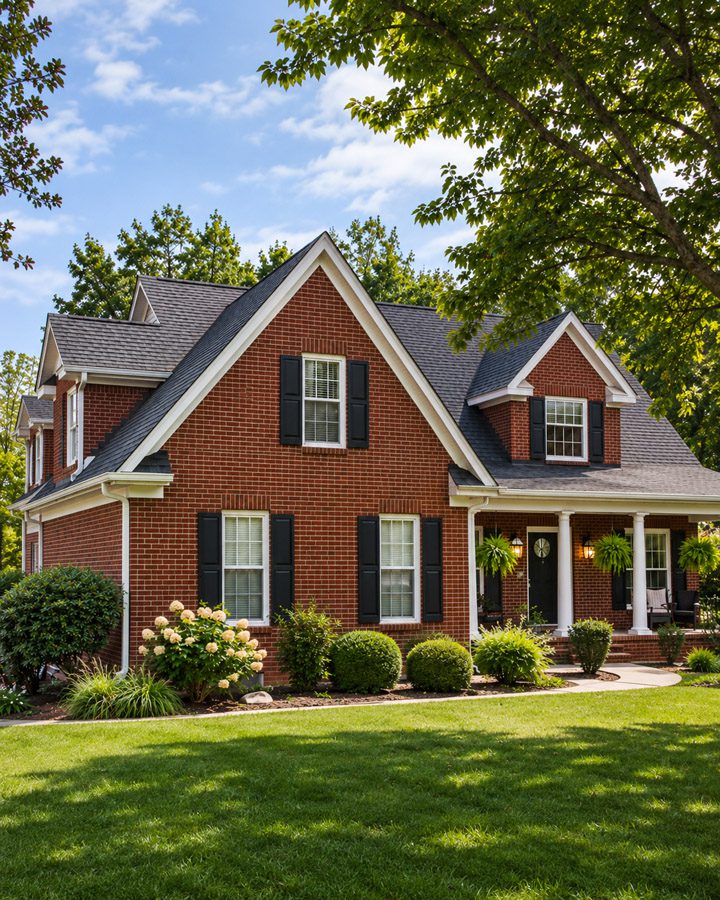
Every landlord eventually faces the same decision: spend thousands on repairs and updates before selling, or sell the property exactly as it stands. Tenants wear on floors, appliances age out, roofs reach the end of their life, and a rental that once felt like a good investment can start to feel like a long to-do list. If you are tired of fixing things, selling as-is can be an appealing alternative.
The short answer is yes, you can sell a rental property as-is in Rome, Georgia. But “as-is” does not mean “no responsibilities,” and understanding the difference protects you from problems after closing. This article explains how as-is sales work, what Georgia sellers still need to disclose, when skipping repairs makes sense, and how to find a buyer who is comfortable with the property’s condition. The team at We Are Home Buyers works with landlords in these situations regularly, so we will share what we see in practice.
What “As-Is” Actually Means
Selling as-is means you are offering the property in its current condition and you will not make repairs or give credits for repair items. The buyer agrees to accept the home with whatever issues it has, including those they discover during an inspection.
That arrangement shifts the conversation. Instead of negotiating repair lists, the buyer decides whether the price makes sense given the condition. It is a cleaner process for sellers who want to avoid coordinating contractors, especially when tenants are involved or when the property is far from where you live.
Disclosure Still Applies
This is the part many landlords misunderstand. Selling as-is does not erase your obligation to be honest about known defects. In Georgia, sellers should disclose known material problems that a buyer would not easily see, often called latent defects. Examples might include a past foundation issue, water intrusion, a failing septic system, or recurring plumbing problems.
Concealing a known serious defect can expose you to claims after closing, even when the contract says as-is. Many Georgia transactions also use standard seller disclosure forms. Be candid, document what you know, and ask your closing attorney or agent how to complete the paperwork correctly. Honesty keeps deals intact and protects you later.
Why Landlords Choose to Sell As-Is
There are several practical reasons to skip repairs.
Cost. Roofs, HVAC systems, and flooring can cost far more than owners expect. Spending money to improve a house you are about to sell can feel painful, especially when you cannot be sure it will come back to you in a higher price.
Time. Repairs take longer than planned. A single delayed permit or backordered part can add weeks.
Tenant disruption. Working in an occupied home is difficult. Scheduling contractors around a tenant’s life is stressful for everyone.
Wear from long-term renting. After several tenants, a property may need a lot of cosmetic work that does not meaningfully change what an investor would pay.
Distance and burnout. Managing repairs from another city, or simply feeling done with being a landlord, makes a fast, simple sale attractive.
What You Might Give Up
Being fair about the tradeoffs matters. A property sold as-is generally sells for less than the same property fully renovated, because the buyer is taking on the work and the risk. The question is whether the discount is smaller than the cost, time, and stress of fixing everything yourself.
Run a rough comparison:
- Estimate the cost of repairs a typical buyer would expect.
- Add holding costs while repairs are underway, such as mortgage, taxes, insurance, and utilities.
- Consider lost rent if the home must be vacated for work.
- Compare that total with the price an as-is buyer is willing to pay.
Sometimes repairs make financial sense. Sometimes the as-is number comes out ahead once you count everything. Doing the math honestly is the best way to decide.
Who Buys As-Is Properties in Rome
Traditional buyers using mortgages often struggle with homes that need work, because lenders may require certain conditions to be met. An appraiser who flags peeling paint, damaged roofing, or safety issues can stall a loan. That narrows the buyer pool for rough properties.
Investors and cash buyers are different. They expect to renovate, they evaluate the property based on what it can become, and they do not rely on a lender’s repair requirements. That is why landlords with worn rentals often turn to investors. If you want to see how this works, our rental property service page explains how we handle properties in all kinds of condition.
Preparing for an As-Is Sale Without Fixing Anything
Skipping repairs does not mean skipping preparation. A few inexpensive steps make a real difference.
- Clear out trash and debris. Removing junk and leftover belongings is not a repair, and it lets buyers see the home clearly.
- Turn utilities on. Buyers and inspectors need power and water to evaluate the house.
- Make the property safe to enter. Secure loose hazards and unlock access.
- Gather records. Receipts, permits, and warranty information build confidence.
- List known issues honestly. A written summary prevents surprises and arguments.
These steps cost little and keep the process moving.
Common Problems in Older Rome-Area Rentals
Rome has a mix of historic homes, mid-century houses, and newer builds, and older rentals tend to share a few recurring issues. Aging roofs, outdated electrical panels, galvanized or cast-iron plumbing, foundation settling, moisture in crawl spaces, and old HVAC equipment are all common. None of these automatically kills a sale. They do affect how buyers value the property, which is why transparency and realistic pricing matter.
Consider getting a pre-sale inspection if you want clarity. It costs money, but it can reveal what you are really dealing with and help you decide whether to repair, discount, or sell to an investor.
What About Tenants?
If your rental is occupied, an as-is sale still works. The buyer typically takes the property with the existing lease and the tenant’s condition, assuming the lease allows it. You will want to provide the lease, rent history, and deposit details. If the tenant has caused damage, document it with photos and notes so buyers understand the current state. For more on handling an occupied sale, you may find it useful to speak with a closing attorney about notice requirements and deposit transfers.
How to Evaluate an As-Is Offer
Not every as-is offer is equal. Ask the following before you accept:
- Is the offer truly as-is, or does it leave room to renegotiate after inspection?
- Is the buyer paying cash, or relying on financing?
- How long is the inspection or review period?
- Who pays closing costs and fees?
- What is the closing date, and can it be adjusted?
- Can the buyer show proof of funds?
A trustworthy buyer will answer plainly. A buyer who dodges questions or changes terms late is a red flag. You are entitled to compare multiple offers and take your time.
Is It the Right Move for You?
Selling as-is is likely a good fit if the repairs are expensive, you need to sell on a deadline, the property is vacant or difficult to show, or you simply do not want to manage another project. It is less appealing if the home needs only minor cosmetic touches and you have time to make them, since a quick refresh can sometimes widen your buyer pool.
Final Thoughts
You can absolutely sell your rental property as-is in Rome, GA without making repairs. The key is to be honest about known issues, price realistically, and work with a buyer who understands properties in every condition. Doing that lets you close without the cost and delay of renovations.
If you would like an honest opinion on your property, visit We Are Home Buyers to learn more about us, or contact our team to talk through your situation. We will explain your options clearly and let you decide what is best.
