 Skip to content

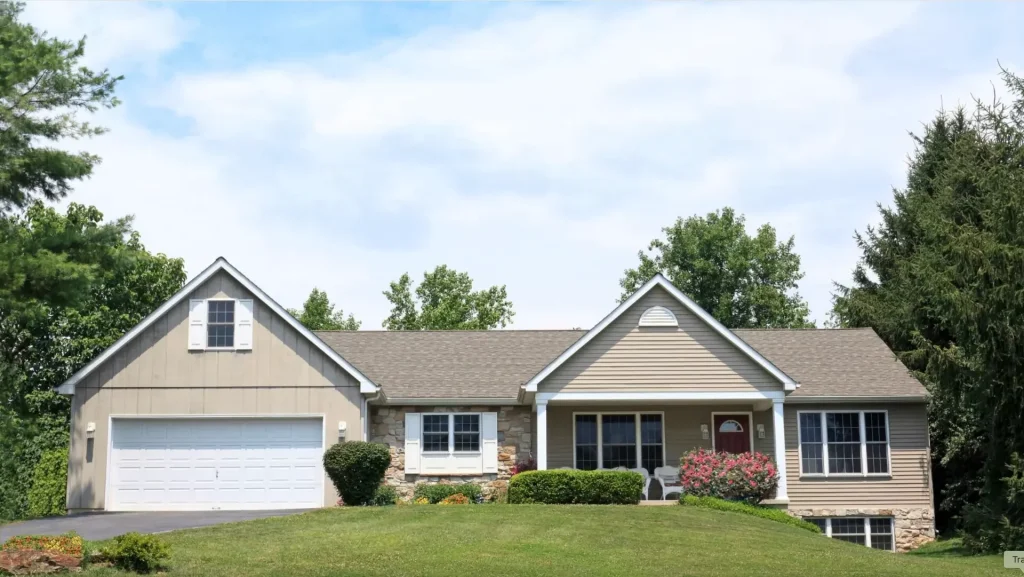
Selling a house involves several steps, including evaluating its condition, determining a suitable price, finding a buyer, negotiating an agreement, and completing the closing process. For homeowners with properties that need repairs or require additional attention, these responsibilities can become challenging.
Direct home buyers provide another way to approach a property sale. Instead of preparing a house for a traditional listing and waiting for prospective buyers, homeowners can contact a purchasing company to discuss a direct transaction.
This approach may be helpful for owners dealing with inherited houses, vacant properties, rental investments, relocation, or significant maintenance concerns. Understanding how the process works can help Jacksonville homeowners decide whether selling directly is a practical option.
Understanding the Role of a Direct Home Buyer
A direct home buyer purchases residential properties as an investment. Depending on the company’s purchasing criteria, it may consider houses in different conditions, including properties that need renovations or have become difficult for owners to maintain.
Unlike a traditional sale, where the homeowner markets the property to a broad group of potential buyers, a direct transaction begins with communication between the seller and purchasing company.
The buyer reviews information about the house, considers its location and condition, and determines whether it may be suitable for purchase.
If the company is interested, it may present a proposed cash offer. The homeowner can review the price and agreement before deciding whether to move forward.
Step One: Understanding the Homeowner’s Situation
The process usually begins with learning why the owner wants to sell.
Every property owner has different circumstances. Some need to relocate for employment, while others have inherited a house they do not want to maintain. Landlords may be ready to move away from property management, and homeowners with older houses may not want to invest in extensive renovations.
A direct buyer may ask questions about:
- The property’s location and address.
- Its approximate size and general condition.
- Whether the house is occupied or vacant.
- Known repair or maintenance concerns.
- Ownership and title information.
- The homeowner’s preferred selling timeline.
Sharing accurate information helps the company determine whether the property fits its purchasing criteria.
Step Two: Reviewing the Property
After receiving the initial information, the buyer evaluates the property.
The review may include its location, condition, features, estimated repair needs, and other factors affecting its potential value.
For example, a property with an updated kitchen, newer roofing, and well-maintained systems may require a different investment approach than a house with substantial structural or maintenance concerns.
The buyer may also need additional information or a property visit to understand its current condition.
This stage is important because a proposed offer should reflect the actual circumstances of the house rather than relying only on a general estimate.
Step Three: Calculating a Potential Cash Offer
If the property fits the buyer’s criteria, the company may prepare a cash offer.
The proposed amount can depend on several considerations:
Property Location: The neighborhood, nearby amenities, and comparable sales may influence the property’s potential resale value.
Current Condition: Repairs, outdated features, and maintenance requirements can affect the purchase calculation.
Renovation Expenses: The buyer may estimate the work needed to prepare the house for its next use or sale.
Market Conditions: Local supply, buyer demand, and comparable property transactions may influence investment decisions.
Transaction Considerations: Ownership status, title requirements, and other property-related details can affect the proposed arrangement.
Homeowners should ask how the offer was calculated. A direct cash offer may be below the price a fully updated property could achieve through a traditional sale, so understanding the financial difference is important.
Step Four: Reviewing the Purchase Agreement
Receiving an offer does not mean the homeowner must automatically accept it.
The seller should have an opportunity to review the proposed purchase price, closing date, responsibilities, and other contract conditions.
Important details to examine include:
- The agreed purchase price.
- Closing costs and possible deductions.
- The condition in which the property will be transferred.
- Any inspection or evaluation requirements.
- The closing timeline.
- Contingencies and cancellation terms.
- Responsibilities for outstanding property obligations.
The homeowner should make sure the written agreement accurately reflects the discussed terms.
If the property involves inherited ownership, probate, liens, or other legal matters, professional guidance may be necessary before proceeding.
Step Five: Coordinating the Closing
Once the parties agree to the terms, the transaction moves toward closing.
This stage may involve title searches, ownership verification, document preparation, and coordination with a closing professional.
A cash purchase may avoid certain traditional mortgage-financing steps, but it does not eliminate the need to resolve title issues or complete the required paperwork.
The homeowner should understand which documents must be provided, when the property must be vacated, and how the transfer of ownership will occur.
The closing date should be clearly documented. Any changes should be communicated and handled according to the agreement.
Property Situations Where Direct Buyers Can Help
Inherited and Estate Properties
An inherited house can create responsibilities for family members who may not want to become long-term property owners.
The house may need repairs, cleaning, or regular maintenance. Some heirs may live outside Jacksonville and find it difficult to manage the property from another location.
A direct buyer may consider an inherited property, provided the seller has the appropriate authority and documentation to complete the transaction.
Rental Properties
Rental owners may decide to sell when managing tenants, maintenance requests, vacancies, or operating expenses becomes inconvenient.
A direct buyer may evaluate an occupied or vacant rental property. However, sellers should disclose existing leases and understand their obligations to tenants before completing a sale.
Vacant Houses
Vacant properties can continue generating expenses through insurance, taxes, utilities, security, and upkeep.
If the owner no longer needs the house, exploring a direct purchase may provide another option for moving forward.
Houses With Extensive Repairs
Some homeowners do not have the budget or time to address major maintenance concerns before selling.
Properties with damaged roofing, outdated interiors, plumbing issues, or unfinished renovations may still be considered by buyers who evaluate houses in different conditions.
Relocation and Life Changes
Moving to another city, downsizing, or managing a family transition can create pressure to sell.
A direct buyer may provide an opportunity to discuss the property without following every step of a traditional listing. The actual schedule will depend on the purchase agreement and transaction requirements.
How Direct Home Buyers Differ From Traditional Property Sales
A traditional listing generally involves preparing the property, marketing it, arranging showings, receiving offers, and negotiating with prospective buyers.
A direct purchase involves discussing the property with a specific purchasing company. This can reduce certain preparation and marketing activities, although the seller still needs to review the offer and complete the necessary transaction requirements.
The two approaches also have different financial considerations.
A traditional listing may produce a higher selling price in some circumstances, particularly when the property is in good condition and buyer demand is strong. However, the seller may need to account for repairs, commissions, preparation expenses, and holding costs.
A direct cash sale may offer greater convenience for certain properties, but the proposed purchase price may reflect the buyer’s expected renovation and investment expenses.
Comparing the estimated net proceeds from both options can help homeowners make an informed decision.
How We Are Home Buyers Helps Jacksonville Property Owners
We Are Home Buyers provides homeowners in Jacksonville, FL, with an opportunity to explore a direct property sale.
The company considers different property situations, including inherited houses, vacant properties, rental homes, and houses requiring repairs. Homeowners can share information about their properties so the team can review the circumstances and determine whether a cash purchase may be possible.
The Jacksonville home buyer service page explains the company’s approach to purchasing houses directly.
If an offer is available, the homeowner can examine the proposed purchase price and terms before making a decision. The company provides another selling option for people who may not want to complete extensive property preparations.
Questions to Ask Before Selling Directly
Before entering into a purchase agreement, homeowners should ask questions that clarify the transaction.
- How will the property be evaluated?
- What factors influence the cash offer?
- Are repairs required before closing?
- Which expenses will the seller be responsible for?
- How long could the process take?
- What title and ownership documents are needed?
- Can the seller review the agreement before accepting?
- What happens if an unexpected issue affects closing?
These questions can help establish realistic expectations and reduce misunderstandings.
Taking the Next Step Toward Selling Your Jacksonville Property
Direct home buyers can help homeowners explore an alternative to the traditional selling process. By reviewing the property’s condition, considering its circumstances, and presenting a potential purchase agreement, a buyer may provide a practical option for owners who want to sell without extensive preparation.
However, every property and financial situation is different. Homeowners should compare selling methods, understand the offer, and carefully review all contract conditions before committing.
We Are Home Buyers gives Jacksonville property owners an opportunity to discuss their selling needs and determine whether a direct purchase may be suitable. To share your property information or ask questions about the process, visit the contact page.
Understanding the steps involved can help you decide whether a direct home sale aligns with your property goals and future plans.
