 Skip to content
Essential Steps to Sell an Inherited Property in Georgia

Download the PRINTABLE CHECKLIST here
Inheriting a house might feel like a blessing at first until you realize you have to sell it. Probate, taxes, paperwork; it can get messy fast.
From probate requirements to preparing the home for sale, there are important details to consider. This checklist outlines what to expect so the process feels more structured and manageable.
1) Understand the Probate Process
If probate is required, you’ll need to file with your county’s probate court. In Georgia, this process can take up to 12 months. However, if the property is in a trust or was set up to pass directly to a surviving co-owner, probate might not be necessary.
Pro Tip: Talk to a probate attorney early to avoid costly mistakes and delays during the sale.
2) Gather Essential Documents
Keep everything organized in one folder to avoid scrambling later:
1. Will, death certificate, probate court papers
2. Property deed
3. Mortgage and lien information
4. Tax history
5. HOA documents, utility bills, insurance policy
You will need these for your attorney, real estate agent, or potential buyers. Don’t wait until closing to get them ready.
3) Establish Legal Authority
Only the executor or administrator appointed by the court has the legal authority to sell the home. You’ll need “letters testamentary” or “letters of administration” to prove your role.
Without this legal authority, you can’t sign contracts, access financial accounts, or transfer the property deed.
4) Secure and Assess the Property
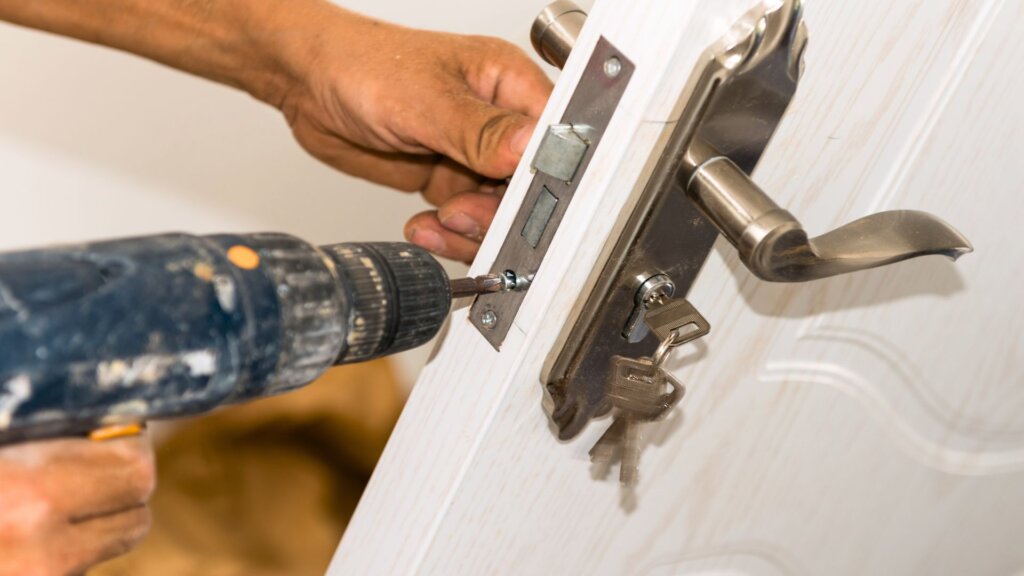
Start by changing the locks to secure the home. If no one lives there, you might consider shutting off gas and water to avoid unnecessary bills.
However, if you plan to list the property, it’s usually better to keep utilities running. Buyers expect to walk into a home that feels comfortable, with working utilities, proper lighting, and a livable temperature. If it’s cold outside, either keep the heat on to prevent frozen pipes or properly winterize the house to avoid costly damage.
Also, check the homeowner’s insurance policy. Some policies become void if the home stays vacant too long. This is increasingly common, so don’t overlook this step.
5) Settle Debts and Expenses
Make sure to take care of:
1. Mortgage balance
2. Property taxes
3. Utility bills
4. HOA fees or code enforcement fines
Request payoff statements early to avoid delays at closing.
6) Determine the Property’s Value
Hire a real estate agent or professional appraiser to determine the fair market value. This helps you price the home correctly and calculate any capital gains tax if the property sells for more than its value at the time of inheritance.
Homes priced accurately from the start tend to sell faster and avoid sitting on the market.

7) Consider Tax Implications
You may not owe capital gains tax thanks to the “step-up in basis,” which adjusts the property’s value to its market value at the time of death. However, if the property appreciates after you inherit it, you might owe taxes on that gain.
Consult a CPA to understand exemptions, deductions, and the best timing for the sale.
8) Choose a Selling Strategy
Pick the option that fits your goals and timeline:
1. REALTOR®: Designed to maximize market value, though the process can take longer to close
2. For Sale By Owner: Avoid commission costs, but requires time, effort, and hands on management
3. Cash buyer: Typically the fastest option, allowing you to sell as is without showings

9) Prepare the Property for Sale (If Going Traditional)
Basic updates and cleaning can make a big difference:
1. Remove personal items
2. Patch obvious damage
3. Neutralize strong odors or unusual paint colors
Remember, buyers decide within seconds. Make those first impressions count.
10) Market the Property
Strong listing photos, a compelling description, and exposure across multiple channels such as MLS, Zillow, and Facebook are key if you’re selling traditionally.
Highlight the location, lot size, upgrades, and nearby schools if relevant.
11) Negotiate Offers & Execute the Sale
Take time to compare the details of each offer, including price, contingencies, and the proposed closing timeline. It’s usually wise to consider how well an offer aligns with your goals before making a decision.
Pro tip: Some cash buyers waive inspections and close within a week.
12) Finalize Legal & Financial Tasks
At closing:
1. Transfer the deed
2. Pay off debts
3. Distribute funds to heirs
4. Cancel utilities and insurance
Keep copies of all documents for taxes and estate reporting.
Need Help Selling an Inherited Property in Georgia?
We help Georgia families sell inherited homes fast, as-is, and without legal headaches.
1. No agent commissions or hidden fees
2. Assistance navigating probate related details
3. Closing in as little as seven days
Get your cash offer today »
Download the full Probate & Inherited Property guide »
Frequently Asked Questions About Selling an Inherited Home
This is such a common question, and you’re definitely not alone if you’re feeling confused. Most of the time, you’ll need to go through probate first. The court has to officially put you in charge by naming you as the executor or administrator before you’re allowed to sell the house. That said, there are a few exceptions. If the house was left to you through a trust or you owned it jointly with rights of survivorship, you might be able to skip probate entirely. The quickest way to know for sure is to reach out to a probate attorney or a local title company. They can take a look at your situation and explain what steps you’ll need to take.
There’s definitely some paperwork involved, but it’s a lot easier to handle if you get it all together early. You’re going to need the death certificate, a copy of the will or probate court order, the property deed, and any mortgage payoff statements. It’s also smart to gather tax records and any HOA documents if they apply. On top of that, you’ll need something called Letters Testamentary or Letters of Administration, which basically show that you’re the one who has permission to sell the house. Getting this part organized upfront will save you a lot of headaches later, especially when it’s time to close.
This is one of those things people worry about, and honestly, it’s not as bad as you might think. Georgia doesn’t charge an inheritance tax, so that’s already a win. You might owe some federal capital gains tax, but thanks to something called a step up in basis, many people don’t end up owing much at all. This rule resets the value of the house to what it was worth when you inherited it, which can lower or even wipe out your tax bill. Still, it’s always smart to double check with a CPA just to be sure. A quick conversation with a tax professional can give you peace of mind before you sell.
If you’re hoping for a quick process, it helps to be realistic. Probate usually takes anywhere from eight to twelve months in Georgia. Some people get through it faster if everything’s simple and there aren’t any family disagreements. Other times, it can drag on a bit longer if there are complications. The good news is that starting early makes a big difference. An experienced probate attorney can also help you avoid some of the common slowdowns and keep things moving as smoothly as possible.
Family disagreements are very normal when it comes to inherited property, so you’re definitely not the only one dealing with this. The best case scenario is that everyone agrees and you can move forward without any problems. Unfortunately, that’s not always how it plays out. If one person refuses to sell, you might need to bring in an estate attorney. Sometimes just having a neutral person involved can help settle things. Other times, you may need to go through mediation or take legal action with a partition sale, where the court steps in and orders the sale. It really helps to talk with a professional early before things get too complicated.
Yes, absolutely. You don’t have to fix up the house or evict tenants before selling. A lot of people inherit properties that need repairs or already have renters living there. If you don’t want to take on those extra projects, you can sell the house as is. Many cash buyers will take care of everything, including any repairs or dealing with tenants, which saves you a lot of time and hassle. Just make sure you’re upfront about the condition of the house so there are no surprises later. It’s definitely possible to sell quickly without worrying about making the property perfect.
