 Skip to content
How Tired Landlords Can Sell Their Property (Even If It’s Occupied)
If you need help selling your Georgia rental, We Are Home Buyers can help! Fill out the form, and we will get back to you about your cash offer!
How to Sell a Rental Property, Even with Tenants: A Simple Guide for Landlords
Being a landlord isn’t always what it seems. Maybe you started out with big goals: steady rental income, long-term equity, and the idea of growing a small real estate portfolio. But now? You’re burned out.
The tenants are demanding, the repairs never stop, the legal headaches keep piling up, and you’re wondering if it’s all still worth it. Whether you’re dealing with problem renters, getting older and ready to retire, or simply exhausted from managing your property, you’re not alone.
Thousands of landlords across Georgia and the U.S. are reaching the same conclusion: “I want out.”
But selling a rental property, especially one that still has tenants, can seem like a legal and logistical nightmare. The good news? You don’t have to go it alone. And you definitely don’t have to evict tenants, fix up the house, or jump through hoops to get your life back.
In this guide, we’ll walk you through everything you need to know about how tired landlords can sell their rental property, even if it’s currently occupied. You’ll learn your options, your rights, and how to make a clean, fast exit.
What Is a Tired Landlord (and Why Do So Many Want Out Now)?
Being a tired landlord goes beyond just having a tough day. It’s a way to describe property owners who feel drained, whether mentally, physically, or financially, by the ongoing demands of managing rental homes.
Many of these landlords want out, but the path isn’t always clear. Maybe the property has tenants, needs serious updates, or comes with legal or financial headaches. That can make leaving feel overwhelming or impossible.
Are You Showing Signs of Being a Tired Landlord?
Maybe you’ve dealt with tenants who caused endless trouble. Or you find yourself constantly fixing things, answering late-night calls, or handling property damage. Perhaps you’re getting older and thinking about retirement or moving away. Or you live far from the rental and can’t keep up with managing it. It might also be that the rent just isn’t worth all the stress.
Sometimes landlords inherit properties they never planned on managing in the first place.
If any of this sounds familiar, you’re definitely not alone. Since the pandemic started, more landlords, especially small, independent ones, have decided it’s time to step away. Many want to sell without the hassle of showings, inspections, or drawn-out delays.
This situation is especially common for landlords who inherited a rental they never wanted, bought investment properties during the market boom but are now seeing very little return, or simply want to avoid costly evictions and difficult tenant situations.
If you find yourself nodding along, it could be a sign that exploring an easier way to move on is exactly what you need.
Why Do So Many Landlords Decide to Sell?
If you’re a landlord who’s feeling worn out, tight on money, or just ready for a fresh start, you’re definitely not the only one. Landlords all over Georgia and across the country are going through the same thing.
At some point, many of them just say to themselves, “Enough. I’m done.”
Every landlord’s journey is unique, but a lot of people make that decision for similar reasons.
1. Tough Tenants
Bad tenants (late rent, property damage, or just disrespect) can wear you down more than anything else. Constant drama, excuses, and the threat of eviction take a huge toll. That’s not what you signed up for. And even if your tenants are decent, dealing with emergencies and unexpected problems every single day can leave you exhausted.
2. Repairs That Never End
Owning a rental often feels like a never-ending job. Whether it’s a broken appliance, a leaky pipe, or pest control, there’s always something demanding your attention. Without a property manager, you’re the one getting every emergency call at all hours. Over time, even the best-maintained homes run into issues that cost time and money, things you might not have or want to deal with anymore.
3. Costs That Keep Climbing
There was a time when rental properties brought in good income. Now, rising property taxes, insurance, and HOA fees are chipping away at those profits. Inflation and labor shortages make repairs and maintenance more expensive, squeezing landlords tighter than ever before. And to make matters worse, government intervention can halt evictions entirely. We saw it happen during COVID-19, when landlords were left without rental payments for months at a time.
4. Life Changes Like Retirement, Health, or Moving
Life happens. Maybe you’re ready to retire, want to travel, or need to be closer to family. Health problems might make managing your property tougher than it used to be. Whatever the reason, it’s completely natural to want your property plans to change as your life changes.
5. Going At It Alone
Handling a rental all by yourself can get overwhelming fast. If you’re the one finding tenants, fixing things, and keeping the yard looking good, it can start to feel like a full-time job on top of everything else. Without a reliable team or property manager, burnout is almost inevitable.
6. Inherited Property You Never Wanted
Sometimes landlords inherit a home they never expected to manage. What starts as a blessing can quickly feel like a burden. Surprise repairs, tenant turnover, and mountains of paperwork add up fast, especially if real estate was never part of your plans.
Can You Sell a Rental Property with Tenants Still Living in It?
Yes, you definitely can! This question comes up all the time from landlords who feel stuck or overwhelmed by their rental. Many wonder, do I have to wait for the lease to end? Or worse, do I have to go through the stress of evicting tenants before I can even think about selling? The truth is, none of that is necessary.
If you’ve been wondering, “Can I actually sell my rental while someone is still living there?”—the answer is a clear yes. In fact, depending on your situation, it might be the smartest move you can make.
So how does it work? When your rental has tenants, you don’t have to put everything on hold. You have a couple of good options. The easiest and most common one is to sell directly to another investor or a cash buyer. These buyers understand tenant-occupied properties and what it takes to manage them. They’re usually happy to take over the lease, buy the house as-is, and close the deal quickly. That means no repairs, no cleaning, and no awkward talks with your renters. We can even handle communicating with your tenants for you, so that’s one less thing to worry about.
If you’d rather go the traditional route and list the home with a real estate agent, that’s okay too. But keep in mind, most buyers expect to walk into an empty house. So you’d need to wait for the lease to end, give proper notice if it’s month-to-month, or try to negotiate an early move-out with your tenant. This approach can work, but it often takes longer and might get complicated if your tenant isn’t cooperative.
Before you decide, it helps to understand what kind of lease you have. In Georgia, if your tenant is on a month-to-month lease, you usually just need to give 60 days’ notice. After that, you’re free to sell a vacant property. If they’re on a fixed-term lease, you’ll either wait until it ends or sell with the lease still active.
Here’s a tip: if the lease still has a long time to run or the tenant is difficult, selling to a cash buyer can save you time, money, and a lot of hassle. It lets you avoid drawn-out delays, legal headaches, and ongoing costs while you wait. Instead, you can move on your own terms, without the stress.
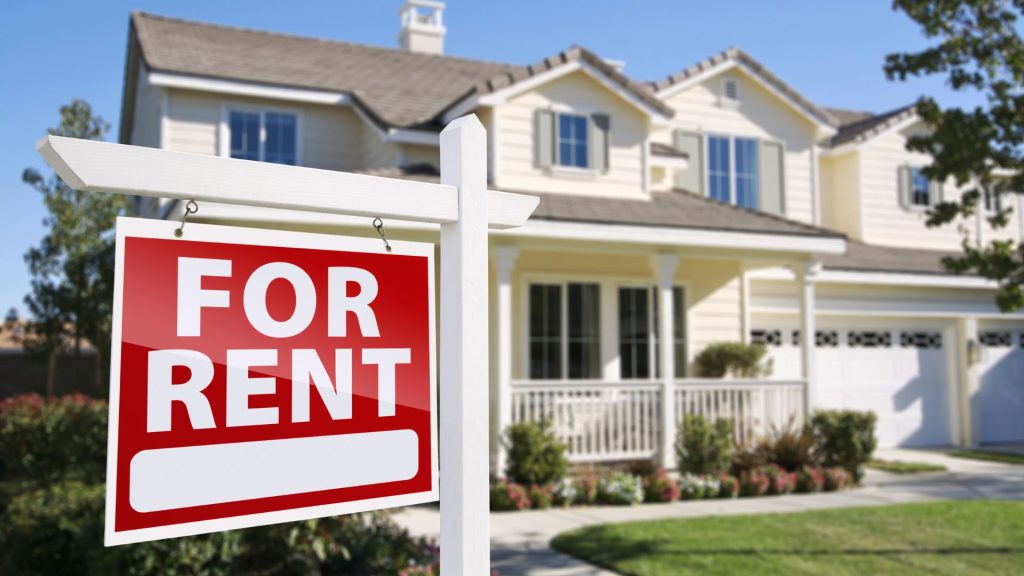
Sell Your Rental Property Without Evicting Tenants
Selling a rental with tenants doesn’t have to be complicated. We handle the details so you can move forward without evictions or unnecessary hassle.
Your Options for Selling a Rental Property
If you’re an exhausted landlord and the idea of continuing to manage a rental just feels like too much, you’re not alone. A lot of people reach this point. The good news is that there are a few different ways to sell a rental property, and none of them are wrong. It really comes down to how fast you want out, what kind of shape the property is in, and whether someone is still living there.
Here’s a look at the most common options landlords consider, along with the upsides and the tradeoffs that usually come with each one.
Option 1 – Wait Until the Lease Ends and Vacate
This is the route most landlords already understand. You let the lease finish, the tenant moves out, and then you turn your attention to getting the house ready to sell. That usually means cleaning it up, fixing what needs attention, and listing it with an agent.
Pros:
A vacant home is generally easier to sell. Buyers can walk through without restrictions, and agents don’t have to work around a tenant’s schedule. In some cases, this can also mean a higher sale price, especially if the home is in good condition and the market is cooperating.
Cons:
The downside is time and money. While you’re waiting for a buyer, you’re still paying the mortgage, taxes, insurance, and maintenance. If the tenant doesn’t leave when expected, eviction can quickly become part of the process. Many rentals also need updates before buyers take interest, and once commissions and closing costs are added up, the profit isn’t always as high as it looks on paper.
This option usually makes sense for landlords who aren’t in a rush and can afford a little uncertainty along the way.
Option 2 – Sell with Tenants in Place
If waiting feels exhausting or eviction is something you’d rather avoid altogether, selling with the tenant still in place can be a huge relief. In this case, the property is sold directly to an investor or cash buyer while the lease stays active.
Pros:
There’s no need to remove the tenant, fix the property, clean it, or schedule showings. These sales often move quickly, sometimes closing in just a couple of weeks. Just as important, you’re no longer responsible for dealing with the tenant once the sale is complete.
Cons:
The tradeoff is usually the price. Homes sold with tenants in place are often priced below full market value. For many landlords though, avoiding months of stress, repairs, and holding costs makes that trade worthwhile. If you’re more focused on getting out than getting every last dollar, this option can feel like a weight lifted.
This path is often chosen by landlords who are simply ready to move on.
Option 3 – Offer Cash for Keys
If you want to sell the property vacant but the tenant still has time left on the lease, there’s another route some landlords explore. It’s commonly called “cash for keys,” and while it’s not for everyone, it can work in certain situations.
How It Works:
You offer the tenant a financial incentive to move out by an agreed-upon date and leave the home in decent condition. Because it’s a voluntary agreement, it avoids eviction and can reduce the chances of damage or drawn-out delays.
Pros:
Compared to eviction, this approach is usually quicker and far less confrontational. It can help free up the property sooner and, in some cases, keep things on relatively good terms with the tenant.
Cons:
There’s an upfront cost, and it’s not guaranteed. Some tenants simply won’t accept the offer, which means you may still need to consider another option.
Some landlords pair this approach with a cash buyer so the sale can move forward soon after the tenant leaves.
Legal Considerations for Georgia Landlords
Before selling a tenant-occupied property in Georgia, it’s worth slowing down for a moment and understanding what you’re still responsible for as a landlord. A lot of sellers run into trouble here without realizing it. The last thing you want is a delay, a legal headache, or a tenant dispute that ends up costing far more than expected.
Here’s what tends to trip landlords up:
You Can’t Evict a Tenant Just Because You’re Selling
This surprises a lot of people. In Georgia, simply wanting to sell the property isn’t a valid reason to evict a tenant. If rent is being paid and the lease terms are being followed, you’re generally required to honor that lease.
The main exception is a month-to-month agreement. In those cases, proper notice can be given, but even then, the rules still apply.
Notice Requirements Depend on the Lease
How much notice you need to give depends on the type of agreement in place.
With a month-to-month lease, landlords are typically required to give at least sixty days’ notice. If the lease is a fixed term, the tenant usually has the right to stay until it ends, even if the property changes hands. And even with informal or verbal agreements, Georgia law often still treats the tenant as having protections, which means notice is usually required there too.
Even if you already have a buyer lined up, the tenant generally can’t be removed early unless they agree to leave or violate the lease.
Security Deposits Don’t Disappear When You Sell
Security deposits are another area that’s easy to overlook. When a tenant-occupied property is sold, Georgia law requires that the tenant’s deposit either be transferred to the new owner or returned if the tenant moves out before closing.
That means keeping clear records, letting the tenant know about the ownership change, and handling any deductions properly if the lease ends before the sale is finalized.
Selling “As-Is” Still Comes With Rules
Selling a property as-is doesn’t erase your responsibilities as a landlord. Known defects still need to be disclosed in writing, even when selling to an investor. You’re also expected to keep the property safe and habitable until the sale closes and continue following state and local landlord-tenant laws during that time.
“As-is” affects repairs after the sale, not your legal duties before it.
Why the Buyer You Choose Matters
Selling a rental with tenants in place is completely legal, but it’s not always simple. That’s why many landlords look for buyers who already understand Georgia landlord laws and know how to work within them without creating problems along the way.
We help tired landlords sell without cutting corners, violating lease terms, or putting themselves at legal risk. If you’re trying to move on and want to do it the right way, let’s talk.
Why Selling to a Cash Buyer Is the Best Move for Tired Landlords
If you’re fed up with managing a rental property, you might be wondering if it’s really worth waiting months, fixing it up, and jumping through hoops just to sell it the traditional way. For a lot of landlords, that process starts to feel exhausting. The truth is, it doesn’t have to be that hard, especially if you’re simply ready for a clean exit.
Selling to a cash buyer can offer a faster and simpler path forward. It’s often far less stressful too, especially when the property is tenant occupied, needs work, or you’re ready to move on sooner rather than later.
Top Reasons Landlords Sell to Cash Buyers
Sell As-Is With No Repairs or Clean Up
Cash buyers will purchase your home regardless of its condition, even if it needs major repairs or hasn’t been treated well by tenants. For most landlords, that means no fixing broken appliances, no repainting walls, and no staging the house just to attract buyers. You also don’t have to worry about inspections. Instead, you receive a straightforward offer based on the property as it sits today.
Sell With Tenants Still in Place
If you have tenants and eviction isn’t an option, or it’s something you simply don’t want to deal with, a cash buyer can still make the sale happen. In many cases, the buyer takes over the existing lease or tenant arrangement and handles communication moving forward. That allows the sale to move ahead without unnecessary delays or added stress.
No Real Estate Agent Commissions or Fees
Selling the traditional way usually means paying around five to six percent in agent commissions, along with closing costs. Those numbers add up quickly. When you sell to a cash buyer, those expenses are often avoided. There are no listing fees, no agent commissions, and far fewer surprise costs showing up at closing. As a result, more of the sale proceeds stay in your pocket.
Close Faster Without Financing Hassles
Because cash buyers don’t rely on loans or appraisals, most sales wrap up within seven to fourteen days. That can be a relief if you’re facing a deadline, worn out from tenant-related issues, or just ready for a quicker exit.
Less Paperwork and Less Stress
Traditional sales often involve complicated paperwork and a lot of back and forth. Selling to a cash buyer keeps things simpler. The contract is straightforward, there are no loan approvals to wait on, negotiations tend to be minimal, and the sale itself is far more predictable from start to finish.
How We Are Home Buyers Helps Tired Landlords Sell Fast
At We Are Home Buyers, we help landlords step away from the rental business quickly and quietly, without unnecessary stress. Whether you own a single rental property or recently inherited a home with tenants still living inside, our process is designed to keep things simple from start to finish.
We work with landlords who want to sell rental properties in all kinds of situations, including homes that are occupied, outdated, or tied up in legal or tenant related issues.
We Buy Rental Properties with Tenants Living Inside
Yes, we buy rental homes even when tenants are still living there. You don’t have to wait for a lease to end or deal with eviction issues before selling. There are also no showings or inspections to worry about. We handle the lease details and communicate directly with tenants so you don’t have to.
We Buy Homes As-Is With No Repairs Needed
No matter the condition of the property, whether it has been well maintained or shows signs of wear from tenants, we make a fair cash offer based on its current state. There are no repairs to complete, no cleaning required, and no unexpected requests along the way.
We Close on Your Schedule
If you need to sell quickly, we can close in as little as seven to fourteen days. If you need more time, that’s not a problem either. We work with your schedule and help choose a closing date that makes sense for you.
No Agents, No Fees, and No Hidden Costs
Because we buy directly from you, there are no real estate agent commissions or closing fees involved. You won’t pay for marketing, staging, or inspections. This means you get to keep more of the money from the sale.
You Stay in Control Throughout the Process
Our process is straightforward. You start by telling us about your property, whether it’s occupied or vacant. We then provide a fast, fair cash offer with no obligation. You choose the closing date that fits your needs, and we take care of the paperwork and tenant communication. Once everything is complete, you walk away with cash in hand and peace of mind.
Conclusion
If being a landlord seemed like a good idea at first but now feels overwhelming, you’re not the only one. Many people feel tired, stressed, or simply want to sell their property and move on. The good news is, you don’t need to put up with difficult tenants, expensive repairs, or lengthy selling methods to get your home sold.
Whether you’re managing a rental in Georgia with a current tenant, facing endless maintenance issues, or simply ready to retire from the rental game, you have options. And selling to a cash buyer could be the simplest, fastest, and most stress-free option available.
At We Are Home Buyers, we’ve helped countless tired landlords exit rental ownership on their terms, with no agent fees, repairs, or waiting for the ideal buyer. We specialize in tenant -occupied, as-is properties, and we’re ready to make you an offer.
Would you like this information at your fingertips? You can download our full guide on selling a rental property with tenants to reference whenever you need.
Need Help Selling a Tenant Occupied Home?
Selling a home with tenants can feel complicated, but it doesn’t have to be. You can sell right away or wait until the lease ends, as long as the process is handled respectfully and correctly. If you need help selling a tenant occupied property in Georgia, We Are Home Buyers can help. Call (706) 670-6886 or fill out the form below to get started.
Frequently Asked Questions (FAQs)
Absolutely. You can sell your rental property even if your tenants are not ready to leave. But remember: you can’t just kick them out because you’re selling. In Georgia, tenants are protected by their lease agreements. The smartest choice is to either wait for the lease to finish, work out a cash for keys deal, or find a cash buyer who is okay with buying the property while the tenant is still living there.
Yes. Georgia law requires landlords to notify tenants if they plan to sell. If the tenant has a month-to-month lease, you must give at least 60 days’ notice to terminate. For fixed-term leases, the tenant is typically allowed to stay until the lease ends, even if ownership changes hands.
If you sell to a traditional buyer, the tenant may need to vacate before the closing date, depending on the lease agreement. If you sell to an investor or cash buyer like We Are Home Buyers, the lease can transfer with the sale, and the tenant can remain in the property under the new owner.
Yes, but it can be more challenging. Most traditional buyers won’t want to inherit a difficult tenant. However, cash buyers and professional investors will often purchase rental properties with non-paying or problematic tenants, especially if they have experience navigating landlord-tenant issues in Georgia.
Not if you’re selling to a cash buyer. At We Are Home Buyers, we purchase properties as-is, meaning you don’t need to make repairs, repaint, or even clean. We take care of everything! Even if the property is damaged or neglected.
With a traditional buyer, it could take 60–90 days or longer, especially if you’re waiting for the tenant to move out or completing repairs. With a cash buyer like We Are Home Buyers, you can often close in as little as 7–14 days, even if the property is still occupied.
Until the property changes ownership, you’re still legally responsible for:
– Maintaining a safe and habitable property
– Honoring the lease terms
– Managing security deposits
– Giving proper notice of any showings or changes
Selling to a buyer who doesn’t require showings (like us) can reduce conflict and stress during this period.
If you’re a tired landlord who wants out fast, the best way to sell is often to a local cash home buyer who can handle tenant-occupied properties, buy as-is, and help you skip the red tape. This route saves time, avoids legal headaches, and lets you walk away with cash, on your terms.
The Georgia Department of Community Affairs. You can click here to download it now.
